I dusted off some of my old tracks from 2002 and added
some new ones in this my third home produced album.
Spotify Samples
ALBUM OVERVIEW
“Won't you tell me what colour is love?” asks the second song on this album, and in many ways that question is the album itself. Folk Music (Vol 3) is ten songs about love in nearly all its shades, curious and uncertain, devoted and humble, broken under the weight of other people's expectations, clung to long after it should have let go, denied from a distance, and finally, tentatively, offered anew to a stranger.
The album opens by stepping outside romance altogether, with a ritual plea for balance addressed to the earth itself, air, fire, water, and earth each invoked in turn. It closes by stepping toward another person entirely, with an open, unguarded invitation: how about you?
In between, love takes nearly every shape available to it. There is the grief of a love pulled apart by family and circumstance. There is the fragile, half-irrational hope that clings to someone who has already left. There is a quiet morning ritual of simply being present enough to notice love when it arrives. There is a direct assertion that everyone, without exception, deserves to find it.
It ends with a single, hopeful question aimed at one other person. Everything in between is the space love actually lives in.
An summary overview of each of the tracks on the album
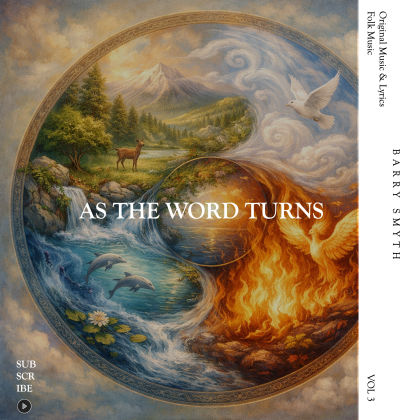
1. As The World Turns (2025)
The album opens with a ritual rather than a story, a chant invoking air, fire, water, and earth in turn, asking each for clarity, courage, healing, and strength. It is a ritual framed as a song invoking the largest kind of love there is: care for the planet that holds everything else in the album together.
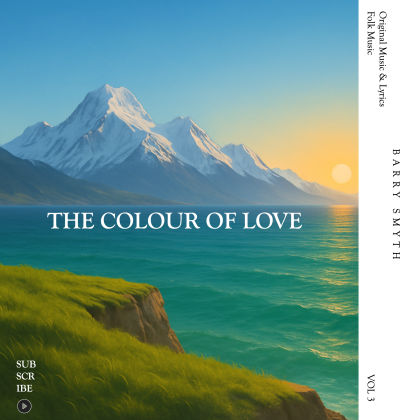
2. Colour Of Love (1997)
A playful, searching song built entirely around one unanswered question. Is love white like snow, green like the ocean, gold like morning sun, or grey like a picture on the wall? The song refuses to settle on any single answer, arriving instead at the idea that love isn't one colour at all, but every colour at once.
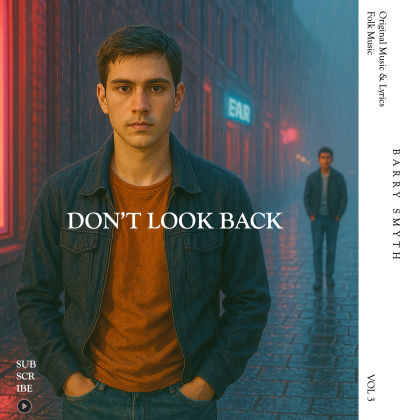
3. Don't Look Back (2025)
A love story that begins in wonder, “like sunlight after rain”, and ends under the weight of family pressure and old wounds neither partner can fully explain. The song doesn't dwell on blame; it simply admits that some roads can be walked together and some have to be walked alone, then chooses, deliberately, not to look back.
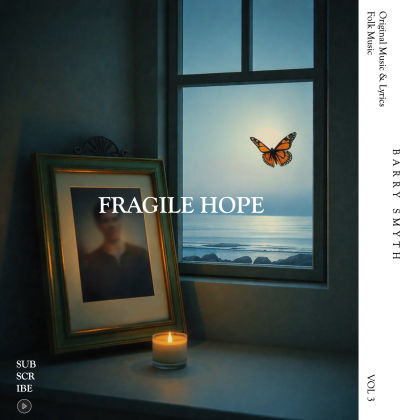
4. Fragile Hope (1998)
Told from the quiet aftermath of a breakup, the song follows someone still reaching for a photograph by the bed, still waiting for an ex to “realise in time the big mistake” they made. The hope it describes is deliberately delicate, compared to a butterfly's wing, clung to not because it's likely, but because it's the only thing left to hold onto.
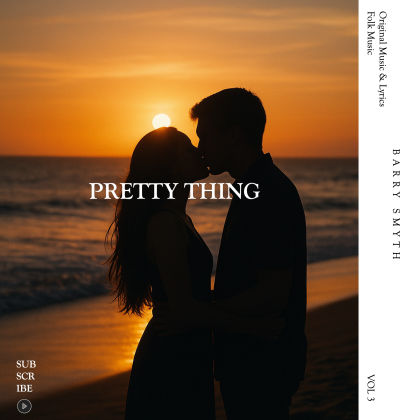
5. Pretty Thing (1997)
A humble, self-aware love song from someone who makes no grand claims about himself, no wings, no superpowers, just an ordinary guy offering the best care he knows how to give. Its charm lies in its honesty: love here isn't a rescue or a transformation, just a quiet promise to stay and to try.
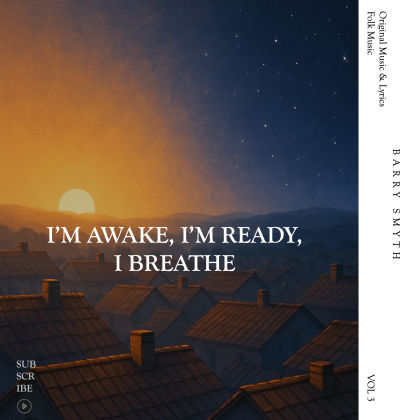
6. I'm Awake, I'm Ready, I Breathe (2025)
A morning ritual set to music, coffee, headlines, the sun rising as the moon relents. Beneath its simple imagery is a quiet discipline: showing up for another ordinary day, fully present, because presence is what makes everything else in the album, love, hope, connection, possible at all.
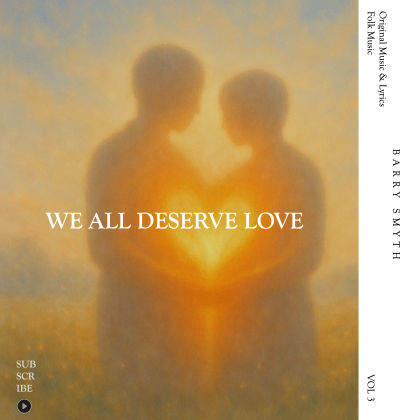
7. We All Deserve Love (2025)
The album's most direct statement of belief. Built from lessons learned and chances finally taken, the song insists, without qualification, that every person deserves to be loved and held, and that a broken heart can always learn to fly again.
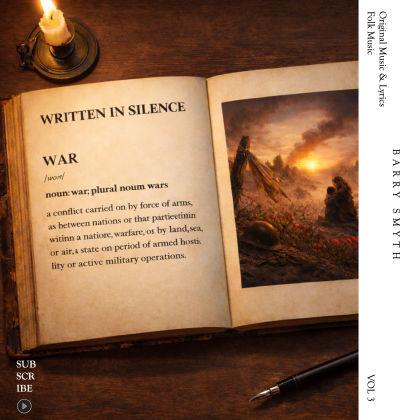
8. Written In Silence (2025)
The album's one true protest song, and its emotional turning point. Set against the slow, deliberate drumbeat of leaders quietly preparing for war, the song argues that conflict is never sudden, it's grown, fed by all the moments people chose to say nothing. It is a warning about silence as its own kind of failure to love one another.
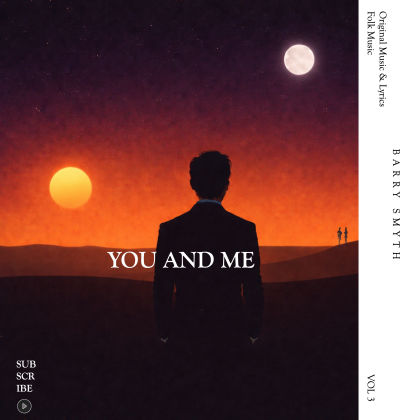
9. You And Me (2001)
A wistful song of unrequited love, built on the image of the moon glimpsing the sun for one brief shared moment in the sky before they part again. The song accepts, almost gracefully, that some love may be destined to be denied, but it does not mean that love cannot be found. You just need to look in the right places to find it.
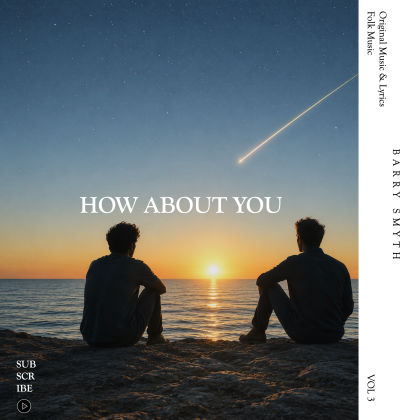
10. How About You (1999)
The album closes not with resolution but with an opening, a shooting star, a quiet glance across a room, two strangers who have never actually spoken. Rather than answering any of the album's earlier questions, the song turns them back outward, ending on an invitation rather than a conclusion.
What began as a set of love songs gradually revealed itself to be something closer to a study, an attempt to hold love up to the light from as many angles as possible, the way the second track holds it up against every colour it can think of.
Folk Music (Vol 3) treats love as something larger than romance alone. It is present in a devoted, unremarkable partner; in the grief of a relationship that couldn't survive outside pressure; in the discipline of simply waking up present enough to notice it; in the belief that every person, without exception, deserves to receive it. And in “Written In Silence,” the album makes its boldest claim of all, that the absence of love, care, and voice between people is not a neutral thing, but the very soil conflict grows in.
By the album's end, none of its questions have been definitively answered. What colour is love? Whether hope is worth clinging to? Whether a stranger will say yes? The album doesn't resolve any of it, it simply turns, in its final line, and asks the listener the same question it has been asking itself all along.
Love is not one colour, one shape, or one answer. It is the question itself, asked again and again.
The album cover art is titled "The Colour Between Us". The image represents the album’s exploration of love as something that cannot easily be defined or seen, but can be recognised by the way it changes the world around us.
It reflects the central question of Colour Of Love, where love is examined through every possible shade without ever settling on a single answer, and Don’t Look Back, where two people who once shared something beautiful ultimately find themselves walking separate paths. The fragile colour emerging between the figures echoes Fragile Hope, where even after love has gone, something delicate remains, while the distance between them looks toward How About You, where the possibility of connection begins with two strangers and the courage to cross the space that separates them.
The flowers, reflected light, and subtle warmth bring these ideas together, symbolising the many forms love can take: hope, loss, memory, longing, and new possibility. The image captures the album’s central belief: love may not have one colour, one shape, or one answer, but its presence can be recognised in everything it touches.
You can find me on your favourite music streaming platform
(just click on the appropriate icon below)